Activate
 Member Login
How the C-Suite Is Thinking About Benefits
Healthcare decisions are no longer confined to the benefits team. They’ve reached the boardroom. With employer costs projected to rise sharply, CEOs, CFOs, and CHROs are demanding clearer answers about what is driving spend and how benefits decisions affect business performance and workforce outcomes. This session from Voyages brings together executive leaders who are navigating these pressures firsthand and making the tradeoffs that shape growth, wages, and long-term sustainability. Watch to learn how the C-suite is reframing benefits as a strategic lever and what benefits leaders must do to lead in this moment.
3 things to know about how the c-suite is rethinking benefits
Doing nothing is disruption. Maintaining the status quo carries real cost and risk, even when change feels hard or uncertain.
Trust with executives is earned through clarity and data. Leaders expect transparency on the “why” behind decisions and how choices impact experience, quality, and cost.
C-suite decisions require a business case. Benefits strategies gain traction when they are translated into quantified outcomes that executives can evaluate and act on.
Take action: Reframe one upcoming benefits decision as a CFO-ready case. Clearly define the baseline, quantify the projected impact, include a Member experience story, and outline the financial upside and tradeoffs.
Glen Tullman: Welcome. I know you've all been anticipating this last panel. And, and why am I so happy about doing it? One, I have three incredible experts up here, all who bring a very diverse, diverse set of experiences that we'll hear from, but also because all are wearing Transcarent socks. And so that's the other thing.
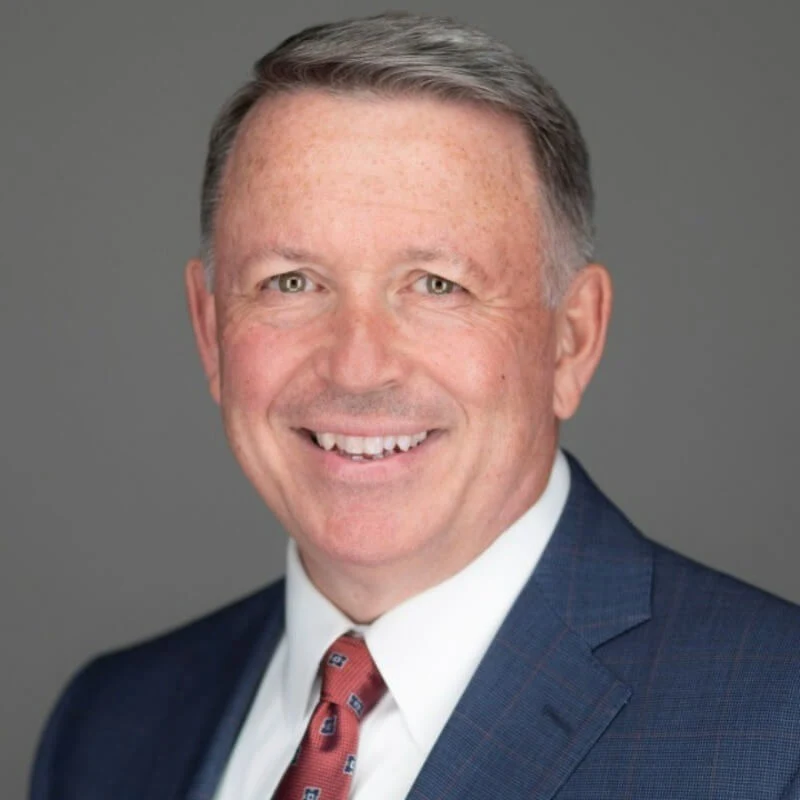
Glen Tullman: But we're—I couldn't be more excited about having this group of executives. You heard about Tom, and I wanna spend just a moment and talk about each of them for one moment and then we'll get into the questions. So Tom did this very unique thing and we shouldn't underestimate it. And that was, Banner Aetna was really the first—one of the first organizations to put together both the provider side and the health plan side. And so if you think about doing that, the first time I met Tom he said, “By the way, just so you know I’m color blind.”
Glen Tullman: I said, “What does what does that mean?” He said, “Well, on certain days when I see the numbers going up, it’s good news if I’m on the provider side and it’s bad news if I’m on the plan side. So green means different things to me on different days and red means different things. So I’ve just tried to ignore it all and do the right thing,” which I thought was great. And we’ll talk a little bit about that.
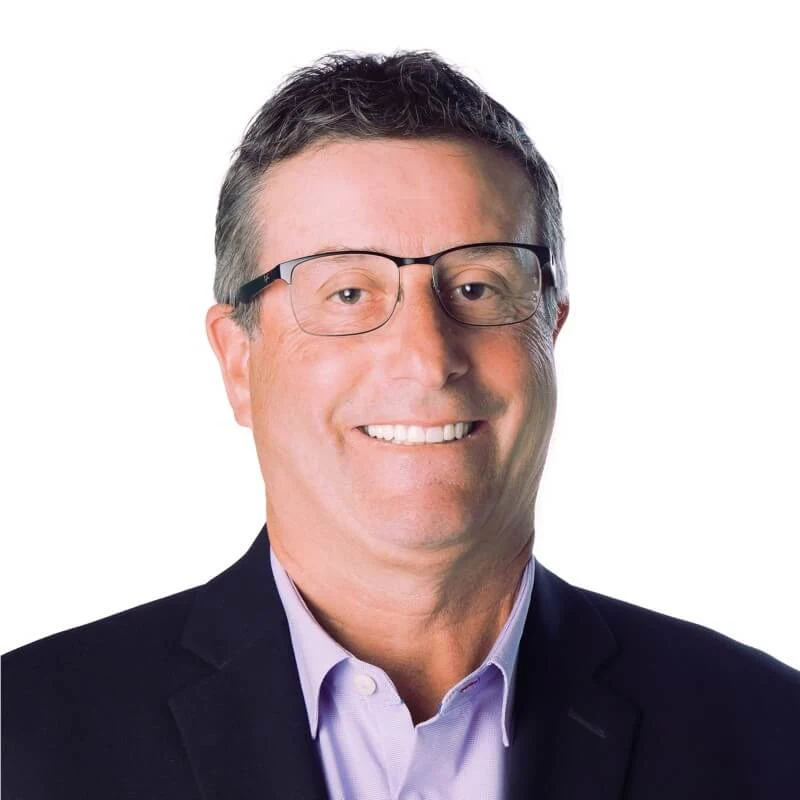
Glen Tullman: What you don’t know about Jack—and Jack in running Moffitt Cancer Center—you know, he’s really wearing multiple hats because as the CHRO, he’s dealing with a number of people in healthcare who provide care every day, and then he’s responsible for their care. So they have a separate set of expectations, and they have a separate set of demands and requirements. And you know, I like all of these guys, but Jack is also—he was previously a professional magician. It’s not a joke. So, and last night he did this really risky thing.
Glen Tullman: He was guessing ages and he said, “I used to work and I used to guess ages and weights.” And we were with two women and I said, “This is not gonna go well.” He said, “I’m just gonna stick to ages.” And so I said—
Glen Tullman: Always go under. That’s right.
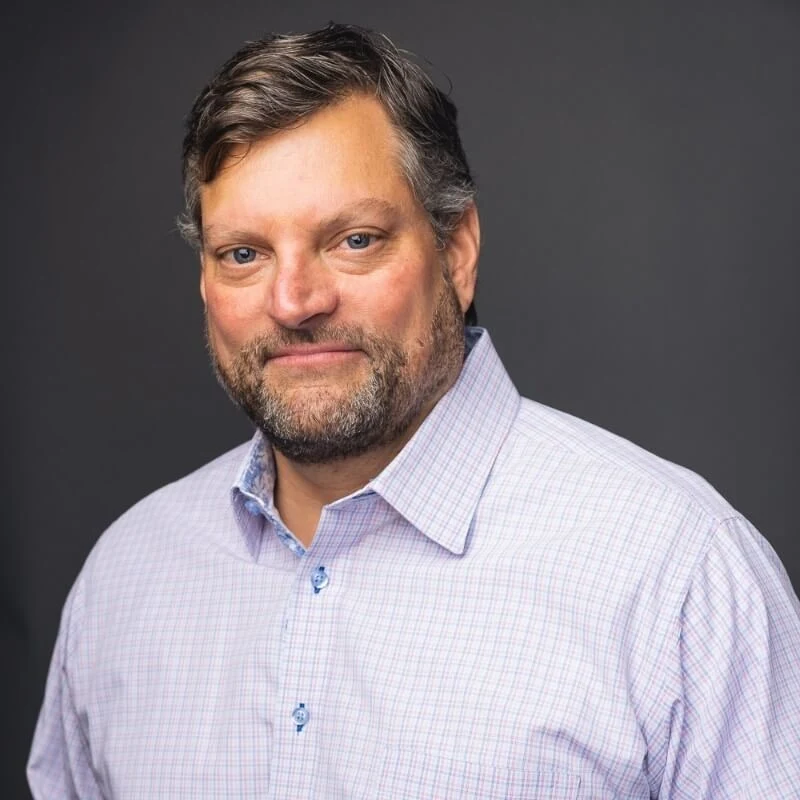
Glen Tullman: And—and Mark, you know, is representative I think very interestingly of a really interesting population that’s retail and yet you know given their size and given their scope and given the mandate of their CEO, they’re really focused on providing world class care to that organization. So—so three very different perspectives. And, Mark, maybe I’ll start with you. My question is, what’s changed?
Glen Tullman: What have you seen change over the last twelve months in your role as a CHRO? What’s different than it used to be as a CHRO in this new environment?
Mark Griffin: Yeah. I mean, it probably goes back more than just twelve months. Think about COVID. Think about the tariffs and the impact on the compensation plans. I just think that in general, the way I would answer that is just getting more complex every year, every month, and you’ve gotta stay kind of on top of it.
Mark Griffin: And I think on the health care side with the raising—you know, the rising costs, GLP ones—there’s always something kind of that that you’ve gotta be, you know, aware of. And I think, you know, I think the other thing is being a fast follower is something that I was doing for a while because that was kind of the culture of BJ’s Wholesale Club. That’s not good enough anymore. And so I would say you gotta be out in front. You gotta take some risks.
Mark Griffin: You gotta be proactive. And I think this past year, we’ve gone and we’ve taken some calculated risks that we didn’t know if they’re gonna work or not. And I think that’s probably the biggest change that I’ve seen in the last twelve months.
Glen Tullman: Jack, what about from your perspective?
Jack McKenna: Well, first of all, I’ll say the magic I apply every day is how to make the budget work every year with increasing health care costs. What I’ve seen is there’s a real commitment to team members’ health benefits so that it aligns with our own purpose.
Glen Tullman: And talk to me a little bit about the population because what’s interesting, what a lot of people don’t understand is in the provider world—or people who work for provider organizations—are generally less healthy on average than the general population. And that’s for a few reasons. One, they’re in high stress environments. Two, many of those environments are twenty four by seven. And three, I think they—while they sit inside of health care—they tend not to focus as much on their own health care.
Glen Tullman: How does that impact your population?
Jack McKenna: No doubt. I mean, I think every company in here you can talk about the stress people feel in the world today outside. But twenty five percent of our team members are nurses. Ten percent of our team members are physicians. Ten percent of our team members are APPs.
Jack McKenna: And we have positions—we have chief wellness officer. We do Schwartz Rounds where we bring people together to talk about the stress on the jobs. From an HR standpoint, influencing scheduling so we’re not overworking people, using part time labor that can help manage it. We have resilience coordinators.
Jack McKenna: We have, you know, psychologists available. So you better be very focused on their needs, because they’ve got to be focused on the patients. So it does raise what I’d say responsiveness. Also, you better listen because they’re much more knowledgeable about health care and what’s going on. So when the chief academic officer wants to talk to me about wellness of our team members, I make sure I listen twice as closely.
Glen Tullman: Tom, let’s talk a little bit about your unique challenges because you really did have to wear two hats and have to make those trade offs every day and you had to manage—you know, Aetna had their requirements and their demands and you talk about for profit, they are. And then on the other side, you had a health system and we’ll come back to—I know one of the one of the—what’s that? Not for profit.
Glen Tullman: And—and we’ll talk about some of the things that you you became known for including frictionless billing when you’re paying yourself. You—you figure that out a lot more. But tell us a little bit about that challenge and that trade off and how you manage both sides of the equation and held it together. Because a lot of people didn’t think it would work, didn’t think you could hold it together. And as someone said last night, you’re—you’re pretty, much of a legend—
Tom Grote: Yeah.
Glen Tullman: In this area for doing that.
Tom Grote: Yeah. So, you know, the misalignment of financials between the delivery system insurance company is pretty well documented and it’s real. And as Glen was alluding to, when we were first starting up, Banner would send us utilization results for our members and, you know, the charts would come in and if hospital stays were going up and ER days were going up, they were all green. And I said—you know, I’d say to my buddy at Banner—I’m like, you know, from the insurance side, those are all red. You know?
Tom Grote: So so we have a, like, completely different alignment on, you know, what drives the results. And so it’s really about, you know, understanding, you know, how do we work together? How do we make this alignment work? And we even have, you know, hospital CEOs—they’d give Banner the best discount.
Tom Grote: And so as more volume went through their hospitals, they were getting less revenue per stay than it—from the other carriers. And so it was like, boy, this isn’t good for my scorecard. And, you know, the dynamics of, you know, trying to improve the health of a population for a hospital—it’s not a it’s not a good return. Right? If if you keep somebody out of the hospital, you’ve lost revenue from that hospital stay.
Tom Grote: And so what is the incentive to do this? And so this is what it’s about—about trying to figure out how do we work together to come up with the right alignment and deliver a better, more, high quality affordable plan for people. And, certainly, value based care helps setting the right incentives, but you think about a fully insured plan. Under that arrangement, if we are able to avoid a hospital stay that’s ten thousand dollars, we’ve reduced our claim exposure by ten thousand dollars. And now Banner gets half of that back—so fifty percent of that back without using any resources.
Tom Grote: So you can eventually get to the point where this alignment makes a lot of sense. And—and it’s really about making sure that, that everybody’s on board about what we’re trying to accomplish. And, you know, it’s gotta be built in for the infrastructure of how, you know, the people are evaluated. And so Banner added scorecard items on how the insurance company did to the hospital CEOs and to the other leaders of the organization. So they would be, you know, working in concert with one another to make sure that this model that we were building made sense for everybody and everybody contribute to making it work.
Tom Grote: And that it provide the right incentives to providers as well, to really try to make sure that they are doing the right thing on behalf of our members. And I think that’s one of the things that fundamentally changed with Banner too. They had ended up with eight hundred thousand members between their various insurance plans. And so their mission statements changed, and they talked about taking care of our members—not just our patients, but our members. So how do we get our members healthier? How do we give them a better experience and so forth? So it was a huge cultural change that they went through to make sure that everything they were doing was in the best interest of, you know, our joint insurance company.
Glen Tullman: And how do you manage that in a situation? We often talk—and I talk with Dr. Roga, our chief clinical officer—about saying to a, whether it be a physician, a nurse, or a hospital administrator: when you’re dealing with Banner Aetna, look at this one way. When you’re dealing with some other insurance company, look at it a different way. So there’s a cognitive dissonance there. There’s a values issue there, which is how do we treat these people differently.
Glen Tullman: Is that a workable model?
Tom Grote: I—I think they try to raise all boats, and that that’s the goal is to really work with the providers on delivering better care to all members, but, you know, with a little extra focus on the Banner Aetna members. You know? So not gonna deliver care differently for a Cigna member versus a Banner Aetna member, but they really do—you know, one of the unique things that Banner did is that Phoenix is a big area. So they had neighborhood meetings, and they would give transparent scorecards to the providers and show how they related to one another and who were the most efficient cardiologists, who were the most efficient primary care physicians, and give really transparent information to really have them work with their collectively to figure out how do we continue to to improve the quality of all the patients that we see.
Tom Grote: They did provide some additional incentives. They got double scorecards for closing gaps on Banner Aetna members and so forth. But—but generally, it was about the idea of let’s improve the quality for everybody.
Glen Tullman: So all the animals are equal, but some are more equal than others. A little more equal. Yeah. I’ve read that somewhere. Mark, let’s go back to you and similarly on this trade offs question.
Glen Tullman: So we always talk at Transcarent about three different metrics. One, the experience. Two, the quality of care that’s being delivered. And three, the cost of care. So you have those three metrics you have to manage.
Glen Tullman: I think there’s a lot of emphasis today saying with this change of moving from six to eight percent to everyone acknowledging it’s now eight to eighteen percent or ten to twenty two percent. But these metrics have gone up and I don’t think anyone—if you read what what was discussed in Davos—no one’s saying that’s not the new normal. People are saying that is the new normal, which is fifteen, eighteen, twenty percent increases. So does that shift that from your perspective? And is there much more focus and emphasis on cost?
Glen Tullman: You know, is that gonna change the equation?
Mark Griffin: Yeah. I mean, there certainly is as you would all assume. I think, you know, where we really start, I think what we’re struggling with is—I mean, we are a retail employer, obviously, with fairly low margins. And, you know, the cost of health care at times is growing faster than our sales, you know, and how do you kinda think about that? I think the big thing that we start with is the quality of care and access to care.
Mark Griffin: What kind of quality of care or access to care do you wanna continue to provide? Do you have to reduce that? We have not reduced that yet, but those are questions that we’re constantly thinking about, and that’s the original baseline. Our goal, and the purpose of our company, is to take care of the families that depend on us. And that includes our members’ families, but also our team members’ families.
Mark Griffin: And so we’ve decided we’re gonna keep the quality and the access of care. So now how do you afford it? And that’s—you know, we’ll talk a little bit more about that. But the emphasis really every year—we have a strategy session—it gets harder and harder. We have to be more creative. We have to take more risks in order to actually afford it.
Mark Griffin: On the experience side, the experience from my perspective is when we put all these things in place to drive cost down and increase access to care, it can be complex. And the experience really gets down to right out of the gate in my perspective is: is it easy to navigate, right? Can you get to the right point solutions we put in place? You know, if we put all those in place to control costs and nobody remembers them or knows how to get to them or does not enroll, then that was a waste of time. So, that’s kind of how we think about it.
Mark Griffin: And I hope across the country and across every company, we don’t have to reduce quality of care and access to care because of the cost.
Glen Tullman: How far—just to follow-up on that, and I was gonna save this—but how far are you willing to go with your people to say, if you’re doing things that don’t make sense, like we know who the high quality providers are. If you choose to go to someone who’s not a high quality provider, we’re not gonna cover you in the same way. Or if you choose not to get an expert medical opinion or second opinion before you have a surgery.
Mark Griffin: So for us, it’s not an option. We’re doing that, and I have no problem with that. We have to drive a consumerism approach to health care, and that means that our team members—I talk about this at town halls or webinars—and it’s, you know, they have a piece in this process. They have skin in the game, and they’ve got to help us with this. This isn’t just something we can do on our own.
Mark Griffin: And so I’m a hundred percent on board with that. And by the way, that’s how we are—that’s a big part of how we are trying to bend the cost curve on that. So they certainly do play a role, and I don’t mind kinda leaning into that hard.
Glen Tullman: So I think that’s a big challenge, which is are things required or are they all optional? And I think more and more companies are saying if something is obvious—you know, if you know that you can go to a lower cost provider to get the same medication or if you go to people who are outside the network—we’ve all done some of that. I think we’re gonna see a lot more of that.
Mark Griffin: Yeah. And Glen, I would just add one last thing. I mean, we have families that go without health care coverage because they live paycheck to paycheck. They can’t afford health care. We have done a lot to lower the cost of health care, and we have much higher enrollment now with new plan design. So all our team members can afford health care.
Mark Griffin: But they want to—they want lower costs. They’re asking for it, and they are willing to do what it takes to participate in that, whether it’s virtual care, you know, first, and stuff like that. So we certainly have buy in because they know that we all have to do something.
Glen Tullman: Jack, I’m gonna come back to you. But Tom, you were one of the first users of 98.6, which is kind of Karen’s 60 seconds that we call now. And two things: one, remind me if you will how you first were exposed to that. And then second, because that’s a marketing issue— but then second, talk a little bit about why you embraced that as a way to get people involved.
Tom Grote: Yeah. So the first time we came across 98.6, we were at a healthcare conference. And in the urinals and in the the toilets, there were signs there that say, “You could have a doctor’s appointment right here, right now.” And it was very clever. And I was like, what is this company? This is really clever.
Glen Tullman: Janine, that was before we owned them. Sorry.
Tom Grote: So, you know, it was, it was a great partnership. They really connected with us and made sure that the experience was connected into our delivery system as well as information about the members. So, you know, a member would call in and say, “Well, you haven’t had your mammogram now.” You know? And so it was a unique opportunity to use this AI experience and, you know, improve their health care.
Tom Grote: And the great thing about it was it was so easy to sign in. It takes fifteen seconds and so easy to use the system, and it was free. You know, it was just a great experience. A great member experience, great satisfaction.
Mark Griffin: Just to—
Glen Tullman: Be clear, what he means is he paid us, but he made it free.
Tom Grote: For the members, it was free.
Glen Tullman: Okay. So so I think it was interesting because you did that, for your fully insured folks as well as a way to engage them and frankly, keep them out of—very early on, I mean, this was years ago—very early on, you wanted to keep them from going and doing a physical visit if you could. So your bet was by making it super easy to provide, you know, digital care first, you could actually reduce the overall cost. And that’s what I think you found.
Tom Grote: Absolutely. Yeah. Absolutely. Yeah. And it was very successful. You know, we had great enrollment and and, you know, like I said, high member satisfaction as well. And it was it was tied into our whole delivery system, which is really important because it gives a better experience to the member.
Glen Tullman: Great. Jack, if we can go back to that question of experience, quality, and cost, and how you’re thinking about that. Because again, you have these, you know, you’re for profit. Right? You’ve got a lot of pressures on that.
Glen Tullman: And how far do you go to saying to people this is what’s required, this is what we mandate. If you want us to pay for your care, you’ve got in some respects do some of it our way.
Jack McKenna: I’ll be honest right now, Glen, I haven’t had to. One of the things I know when you’re here is I want you to walk away with a few thoughts. I’ve done things a little differently. It’s helped me to be influential at the C suite. So one of the things I’ll charge with you is forty percent of your costs are labor, four percent are benefits.
Jack McKenna: If you can save one percent on labor, it gives you ten percent more to spend if you negotiate it with the CEO on benefits. So what we’ve done is we give them the options. We don’t force it at this point. We do give incentives to do prescreening every year for cancer, flu shots, a number of items where we give incentives.
Jack McKenna: But what I have done—gained credibility with the CFO—is big hits where I’ve been able to save ten dollars, twenty dollars, thirty million, so I’m not getting squeezed and pressed on one percent, two percent on premiums. In fact, this year—and I know I think I talked to you about it—is I don’t think we handled GLP-one well. I could have done zero premium increases if we had handled the GLP-1s well.
Jack McKenna: In fact, I was the hand that said I managed claims well this year. I was under budget. And one of the reasons is I’m six months ahead of finance. I’ve hired people who are an AI productivity person, a heavy project manager in terms of benefits. Because my benefits folks, you do it well, but there’s a lot of HR people that say, “I’m not good at math.” And you can’t work well in the C suite if you’re not good at math.
Jack McKenna: And I’ve got to stay ahead of finance, so I’m bringing solutions and they’re not on attack, so to speak, but I’m giving them the solutions ahead of time.
Glen Tullman: And tell us about—because you brought up one of the issues, GLP ones—tell us about what you did right, what you did wrong, what you would do differently because I think pretty much everybody in the audience today is dealing in some respect with GLP ones.
Jack McKenna: Sure. So we’re still obviously—GLP ones for disease management—we’re covering. But one of the things that happened, we didn’t execute the decision effectively, a little passive resistance in my own benefits team with respect to it a year ago. And the costs were going up so much that we were basically gonna be twelve million dollars over budget this year because of diet.
Jack McKenna: And what I had to do was make a decision recommendation and the C suite—my CEOs of physician, oncologist, my head physician—they supported me and understood that I needed to make decisions in the short term for the benefit of the whole organization in the long term. And I don’t know what the market rates are, but we had eight percent of our team members on GLP-1s for diet. And it was just not affordable. And it was going to make a very significant impact on all team members otherwise.
Mark Griffin: Mark, what are you doing on GLP-1s? So, I think at first you’ve got to decide, what do you want to cover? Do you want to cover them or not? And—and I think that’s where I spent a lot of time with our CEO, trying to get his perspective of how does he feel about it. He was adamant that we wanted to provide access to therapies here.
Mark Griffin: And so we decided we were gonna cover it and then how are we gonna do it? We actually embarked with 9am Health. And 9am Health is—I don’t, many of you might know what they do—but basically if anybody—for weight loss only, okay—so for weight loss if one of our team members wants a GLP-one for weight loss, the only person that could write a script for it is 9am Health.
Mark Griffin: And it’s an organization that has doctors, nutritionists, so they do an evaluation of the team member and they would write the script. In addition, the team member must enroll in a weight program, a weight management program. And not only enroll in it, but they have to have proof on a monthly basis that they’re actively involved, whether it’s reporting their numbers or other kinds of stuff.
Mark Griffin: And so, this just went live January first. We’re starting to see people starting to get their first refill and we’re saying, well, now you gotta go back to—now you have to use 9am Health. Are we getting pushback? Yeah. We’re—we’re getting pushback. Am I okay with that a hundred percent? We’re spending—I mean, we were up about three million dollars over budget.
Mark Griffin: And what we’re seeing is there is a significant portion of what I call waste about, you know, people that within the first year drop off of using it, you know, weight comes back and we all lose. One of the reasons why we wanna cover it is one, we think it’s the right thing to do for our team members and their families.
Mark Griffin: The other thing is obesity is one of our biggest drivers of medical claim costs. And so we want to help our team members lower their weight and reduce obesity. But we put these criterias and these programs in place.
Glen Tullman: One—two last questions to end with. One, in terms of AI, I know there’s been an interest in kind of using it and maybe, Jack, start with you. Friend, foe, how are the people accepting it? And what I find particularly interesting is the same people in many organizations who are worried about AI go home and use AI for all kinds of things. And so, I’m just interested how you’re handling the use of that, the discussion of that vis a vis human resources and people management?
Jack McKenna: Sure. So again, obviously in health care, cancer care, AI is, you know, a must and gonna grow exponentially. We see that for the future. One thing I’ve had to do is assure them that we are not looking to reduce headcount, but we’re looking to slow down headcount growth in the years ahead through the use of AI.
Jack McKenna: Interesting enough, the group that in within HR that seems the most concerned about AI use is HRIS. It’s our systems group. And we have to convince them that your role is going to change. It’s no longer about generating reports and dashboards, but it’s going to be helping people with the information they’re going to have at their fingertips on how to make decisions.
Jack McKenna: So, I’ve again hired a specialist who reports directly to me whose role is to help AI productivity within HR, but then we find out everybody around the organization wants its help.
Glen Tullman: Mark?
Mark Griffin: Yes. So I agree with everything Jack said from an HR standpoint. I’ll take it a little bit broader. I think from an HR perspective, the real value is the broader organization. How do you put workforce plans in place on— you addresses? Meaning, at some point, you’re gonna have leaders that are managing AI agents and not people. And what span of control does that look like? What kind of training is that? What kind of skills do you need for people we’re hiring today that need to translate into the AI environment?
Mark Griffin: And they don’t need to know AI, but are they quick learners? Are they okay with change? And I think people that are stuck around around change and they—and they don’t, you know, they don’t embrace it—are gonna be left behind. And so I think HR has a big opportunity to kind of think about the workforce and how it’s gonna change. It’s not just an IT initiative, it’s a business initiative and it’s a human capital initiative and that’s where we’re spending all our time.
Mark Griffin: And then from kind of what we’re doing with team members and candidates—the AI that we’re using—I go back, Glen, to your comment of, you know, did anybody here get trained on Uber or Spotify? And from my perspective, if it’s easy enough and intuitive enough, people embrace it because it’s easy. They’re getting the right answers and they’re getting it—
Glen Tullman: Quickly. Right. Tom, as you see the future of kind of organizations like the one you started and you you ran, do you see when you look out, do you see health systems more likely to create their own plans, their own managed care plans and go into the insurance business? Do you see the large providers actually creating their own health plans or do you see third parties kind of stepping in and both those get kind of obligated to kind of secondary roles?
Tom Grote: Yeah. It’s—the joint venture health plan—there’s only a number of systems around the country that are in a position to really effectively run a health plan. You have to have a pretty big presence within that marketplace and you have to have geographic access and you have to have that underlying belief that, you know, this is where we need to go is delivering value based care, running insurance plans and so forth.
Tom Grote: And, you know, Banner has done that—about thirty percent of their overall revenue goes through their insurance department. So that’s a significant part of the revenue of that company, of the organization. And that gives them the wherewithal to invest in resources to make sure they’re doing everything in their power to deliver, you know, efficient, affordable care to the members.
Tom Grote: And so I think it’s—there’s only so many systems that can really, you know, effectively run, you know, their own plans. And so I think it’s gonna be—you know, there’s some out there that have been successful for a number of years on their own. But I think there will be some partnerships that develop, but it’s not an easy business for sure.
Glen Tullman: So last question for each of you. One minute—one less than a minute answers—and that is: what do you think this year and the next twelve months is gonna be the biggest impact to drive health care change? Mark, you wanna start?
Mark Griffin: I think you’ve gotta take risks. You have to be innovative, and you can’t just be a fast follower anymore. You have to be out there. You’ve gotta try things. And, if they—if it doesn’t work, you have to move fast and change direction. But this is gonna be aggressive and you’ve got to partner with people that are innovative and can move quickly as well.
Glen Tullman: Jack.
Jack McKenna: Almost the same answer including the fact we can’t try to do it all ourselves, but we have to find partners like Transcarent, other organizations that we can partner with that have expertise because I can’t, for example, Ben admin. I don’t need to have a whole team inside. Let me find a third party who can handle my Ben admin. So we’re focused on Ben strategy and Ben communications.
Glen Tullman: Great. Tom?
Tom Grote: Yeah. I think some of the discussions on pharmacy today about looking at things differently presents a real opportunity to to impact costs. And—and the other piece is just finding ways to engage our members. I think that’s the holy grail. We have good solutions. We have technology that can help them make the right decisions, but making sure we find the right avenue to engage them is is really a critical piece to to have long term success.
Glen Tullman: Great. Well, thank you all very much. I hope all of you enjoyed the session. And again, thanks to the panel. Thanks, everyone.